Table of Contents
- What is Withholding Tax (WHT) in the UAE?
- Withholding Tax Rate in the UAE
- Implications of Withholding Tax Regulations for UAE Businesses
- Who Is Affected by Withholding Tax in Dubai, UAE?
- Income Sources Exempt from Withholding Tax
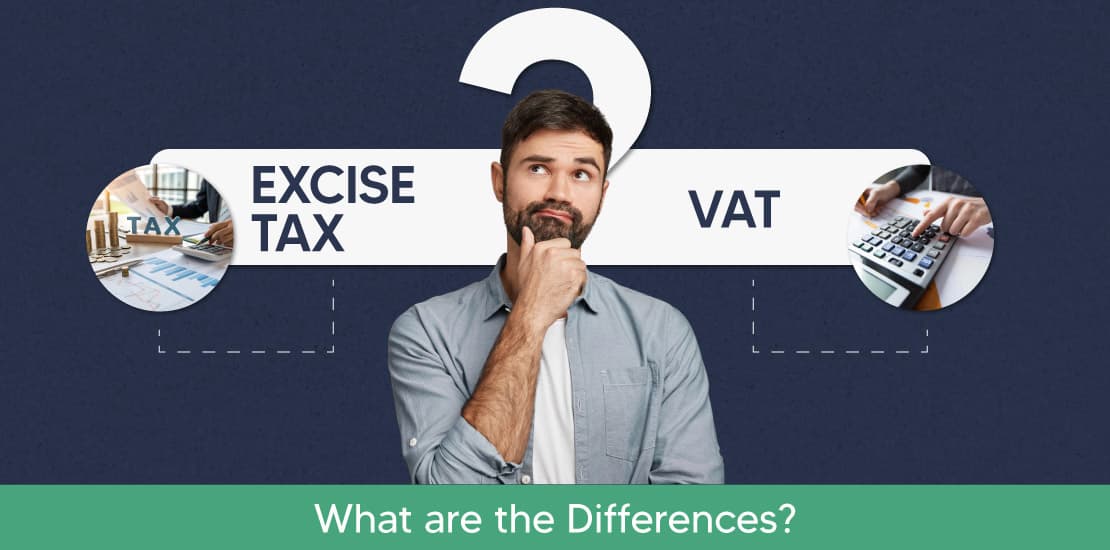
- Withholding Tax Versus Value-Added Tax (VAT)
- Entities Subject to Corporate Tax in the UAE
- Entities Exempted from Corporate Tax in the UAE
- Types of Exempt Income
- What are the Corporate Tax Structure in the UAE?
- Advantages of Withholding Tax Implementation
- What’s the Difference between Withholding Tax vs VAT in the UAE?
- Expert Guidance for Your Business with Shuraa Tax
- Frequently Aksed Questions (FAQs)
For businesses operating in the UAE, understanding UAE withholding tax is essential for staying compliant with the country’s corporate tax regulations. As the UAE continues to strengthen its tax framework, companies must stay up to date with the latest rules and requirements introduced by the authorities.
In December 2022, the UAE Federal Tax Authority issued a decree clarifying the role of withholding tax in the UAE’s corporate tax system. These regulations help define how withholding tax applies to certain types of income and cross-border payments, ensuring transparency and proper tax compliance for businesses operating in the country.
In this guide, Shuraa Tax explains everything you need to know about withholding tax in the UAE, including the latest updates, how it works under the corporate tax regime, and what it means for businesses. Whether you are looking to understand your obligations or plan your tax strategy, this blog will help you navigate UAE withholding tax regulations with clarity and confidence.
What is Withholding Tax (WHT) in the UAE?
Withholding tax in the UAE is a tax deducted at source when a business makes payments such as dividends, interest, or royalties to a non-resident individual or company. The payer withholds the tax and submits it to the tax authority on behalf of the recipient.
However, under the UAE Corporate Tax system, the withholding tax rate is currently set at 0%. This means businesses are generally not required to deduct tax on cross-border payments to foreign entities.
Even though withholding tax in Dubai and across the UAE exists within the corporate tax framework, the 0% rate helps maintain the country’s reputation as a business-friendly destination for international companies and investors.
Withholding Tax Rate in the UAE
The UAE withholding tax framework is designed to support international business and foreign investment. Under the UAE Corporate Tax Law (Federal Decree-Law No. 47), the withholding tax rate is currently 0% for most payments made to non-residents.
This means businesses in the UAE do not need to deduct tax when making certain cross-border payments. The policy helps maintain the country’s reputation as a business-friendly hub and simplifies international transactions.
Many companies also rely on withholding tax services in the UAE or seek withholding tax advisory in Dubai to ensure they comply with corporate tax regulations while managing international payments efficiently.
Payments with 0% Withholding Tax
In many countries, payments made to foreign entities are taxed at the source. However, the UAE withholding tax rate remains 0% for several common types of income, including:
Dividends
When UAE companies distribute dividends to foreign shareholders, no withholding tax is applied. Investors receive the full dividend amount, which improves their overall returns.
Royalties
Payments made for the use of intellectual property, such as trademarks, patents, copyrights, or licensing agreements, are not subject to withholding tax in the UAE. This encourages innovation and international partnerships.
Service Fees
Payments made to foreign service providers for consulting, management, or professional services are also not subject to tax at source. This allows UAE companies to collaborate easily with global experts and businesses.
Why the 0% Rate is Important
The UAE withholding tax policy provides several benefits for businesses and investors:
- Higher returns for investors: Foreign companies and shareholders receive payments without tax deductions.
- Simpler international transactions: Businesses can make cross-border payments without the need for complex withholding procedures.
- Better cash flow management: Companies transfer funds smoothly without additional tax calculations.
- Greater global appeal: The tax-friendly system makes the UAE an attractive destination for international businesses.
Because corporate tax regulations can evolve, many companies seek withholding tax advisory in Dubai or professional withholding tax services in the UAE to stay compliant and structure their transactions correctly.
Implications of Withholding Tax Regulations for UAE Businesses
On December 9, 2022, the Ministry of Finance (MoF), working in conjunction with the Federal Tax Authority (FTA), introduced Federal Decree-Law No. 47, which outlines the current guidelines governing corporate tax (CT) and withholding tax in the UAE.
According to the decree, withholding tax is now set at 0%. These changes came into effect on June 1, 2023, and apply to all subsequent financial years.
Who Is Affected by Withholding Tax in Dubai, UAE?
Under the current UAE corporate tax framework, most payments to non-residents are subject to a 0% rate of withholding tax in the UAE. However, the concept of UAE withholding tax remains in the tax law, so certain businesses must understand how it applies to them.
Generally, withholding tax in Dubai concerns UAE-based businesses that make payments to foreign companies or individuals. These payments may include royalties, interest, dividends, or other cross-border transactions. Even though the current withholding tax rate in the UAE is 0%, companies must remain compliant with corporate tax regulations.
Businesses engaged in international transactions often seek withholding tax advisory in Dubai or professional withholding tax services in the UAE to ensure proper reporting, documentation, and compliance with the country’s corporate tax rules.
Income Sources Exempt from Withholding Tax
Presently, withholding tax exemptions in the UAE encompass the following income sources:
- Income generated by a foreign company within the UAE that is not attributed to its Permanent Establishment (PE) in the country.
- Mainland-sourced income benefits from the Free Zone’s 0% corporate tax regime, excluding transactions conducted through an onshore branch.
- Dividends or other profit distributions issued by a Free Zone Person are subject to zero taxation for mainland shareholders. For instance, if a DMCC company distributes dividends to a resident of the JAFZA free zone, withholding tax is waived at 0%.
Withholding Tax Versus Value-Added Tax (VAT)
Certainly, here’s a comparison table between Withholding Tax and Value-Added Tax (VAT) in the UAE:
| Aspect | Withholding Tax | Value-Added Tax (VAT) |
|---|---|---|
| Implementation | Introduced earlier than VAT | Implemented in 2018 |
| Taxation Scope | Levied on certain types of income payments | Charged on the sale of goods and services |
| Collection Method | Deducted at the source of income | Added to the price of goods and services |
| Taxpayer Responsibility | Businesses pay tax on behalf of employees | Companies collect tax from customers |
| Government Role | Ensures tax compliance and collection | Collects tax revenue from businesses |
| Tax Rate | Variable, depending on income type and rate | Fixed rate of 5% |
| Registration Requirement | Not applicable to most businesses | Mandatory for companies exceeding the threshold |
| Impact on Businesses | Directly affects income payments and cash flow | Affects pricing and profit margins |
This table outlines key differences between Withholding Tax and Value-Added Tax (VAT) in terms of implementation, scope, collection methods, taxpayer responsibilities, government roles, tax rates, registration requirements, and business impacts.
Entities Subject to Corporate Tax in the UAE
Under UAE Tax Law, entities liable for corporate tax, referred to as “taxable persons,” encompass the following:
- UAE companies and other corporate entities are established and operated within the UAE.
- Individuals conducting business or commercial activities within the UAE are subject to the forthcoming Cabinet Decision regulations.
- Foreign legal entities with a Permanent Establishment in the UAE are known as non-resident juridical persons.
Entities Exempted from Corporate Tax in the UAE
Specific business sectors or organisations are exempt from corporate tax owing to their significant societal and economic contributions to the UAE. These entities, known as Exempt Persons, include:
- Government bodies.
- Extractive and non-extractive natural resource businesses are subject to specific regulations.
- Qualifying public benefit entities as defined in Article 9 of the CT Law.
- Public or private Pension and Social Security funds.
- Qualifying investment funds as specified in Article 10 of the CT Law.
- Wholly owned UAE subsidiaries of governing organisations, government entities, qualifying investment funds, or public/private pension/social security funds are eligible for zero income tax under Article 18 of the CT Law.
- Free zone persons meeting certain conditions outlined in Article 18.
Types of Exempt Income
When determining taxable income, the following expenses are exempt:
- Dividends and other distributions received from either resident individuals or foreign holdings.
- Participating interests, as Article 23 of the CT Law defines.
- Income obtained by non-resident individuals from operating aircraft or ships during international transport, provided it meets the conditions specified in Article 25 of the CT Law.
- Revenue generated from a permanent foreign establishment, following Article 24 of the CT Law.
What are the Corporate Tax Structure in the UAE?
The corporate tax regime in the UAE requires companies and commercial entities to pay tax on their net income. Here’s how the rates are structured:
- A 0% tax rate applies to business profits up to AED 375,000. This measure is designed to bolster support for small businesses and startups.
- For-profits exceeding AED 375,000 from their inaugural financial year onward, companies are subject to a 9% tax rate. This rate has been uniformly applied to all companies since June 1st, 2023.
Advantages of Withholding Tax Implementation
Tax regulations offer numerous advantages for governments and businesses, contributing to financial stability and regulatory compliance. Here’s a closer look at the key benefits:
Regulatory Compliance Assurance
Withholding tax ensures businesses adhere to local laws and regulations, shielding them from potential fines or penalties arising from non-compliance.
Enhanced Accountability
It holds foreign individuals accountable for income earned within the UAE’s borders, promoting transparency and tax adherence.
Prevention of Double Taxation
Withholding tax mechanisms efficiently monitor and collect taxes from non-residents, averting the risk of double taxation and related conflicts.
Combatting Tax Evasion
By deterring tax evasion, withholding tax contributes to additional government revenue and bolsters fiscal sustainability.
Flexible Tax Management
Withholding taxes often replace income taxes, offering businesses greater flexibility in managing their tax obligations.
Employee Incentives
Withholding tax can serve as an employee incentive, allowing companies to deduct taxes from salaries and rewarding staff with bonuses or additional benefits.
What’s the Difference between Withholding Tax vs VAT in the UAE?
Here is a table showing the difference between Withholding Tax and VAT in the UAE:
| Basis of Difference | Withholding Tax (WHT) in the UAE | VAT in the UAE |
|---|---|---|
| Definition | Withholding tax in the UAE is a tax deducted at source on certain payments made to non-residents. | VAT (Value Added Tax) is a consumption tax charged on the sale of goods and services. |
| Tax Rate | Currently, 0% withholding tax under the UAE Corporate Tax Law. | The standard VAT rate is 5% in the UAE. |
| Who Pays | Usually applies to non-resident businesses receiving payments from UAE companies. | Paid by the final consumer, but collected by businesses and submitted to the Federal Tax Authority (FTA). |
| When It Applies | Applied when making payments such as royalties, interest, or service fees to foreign entities. | Applied whenever taxable goods or services are sold in the UAE. |
| Purpose | Prevents tax avoidance and ensures taxation of cross-border payments. | Generates government revenue from domestic consumption. |
| Collection Method | Deducted by the payer before transferring the payment to the recipient. | Charged on invoices and collected throughout the supply chain. |
| Governing Law | UAE Corporate Tax Law (Federal Decree-Law No. 47 of 2022). | UAE VAT Law (Federal Decree-Law No. 8 of 2017). |
Expert Guidance for Your Business with Shuraa Tax
The UAE government supports business growth through various initiatives, offering an ideal environment for expansion. To ensure compliance, stay informed on corporate tax law changes, including withholding tax rules in the UAE. Reach out to our experienced accounting professionals for assistance.
Shuraa Tax consultants simplify Dubai business setup and tax compliance. We provide comprehensive support from registration to obtaining licenses and securing tax residency certificates.
Contact us at +971508912062 or info@shuraatax.com for expert advice and peace of mind in tax matters.
Frequently Aksed Questions (FAQs)
Q1. What is withholding tax?
Withholding tax is a form of income tax collected by the government from individuals receiving payments such as salaries, wages, commissions, dividends, interest, or royalties. It’s deducted at the source before payment to the recipient, depending on their earnings, tax requirements, and available exemptions.
Q2. Is there a withholding tax in the UAE?
Businesses in the UAE aren’t subject to withholding taxes, as their corporate income and profits are taxed at a 0% rate. For specific exemptions applicable to your business, seek advice from a corporate tax consultant or accountant.
Q3. What are the Compliance requirements for withholding tax?
Based on current guidance from the Federal Tax Authority, UAE-sourced income paid to non-residents may qualify for a 0% withholding tax rate, eliminating the need for tax withholding or related paperwork for UAE businesses or foreign recipients. For further compliance guidance, contact our team of specialist accountants.
Q4. How is withholding tax calculated?
Non-residents without a permanent UAE presence may be exempt from withholding tax if they receive no UAE-derived revenue related to their establishment. Withholding tax is standard on cross-border payments such as dividends, royalties, and interest. UAE resident individuals are exempt from withholding tax for transactions among themselves.