Table of Contents
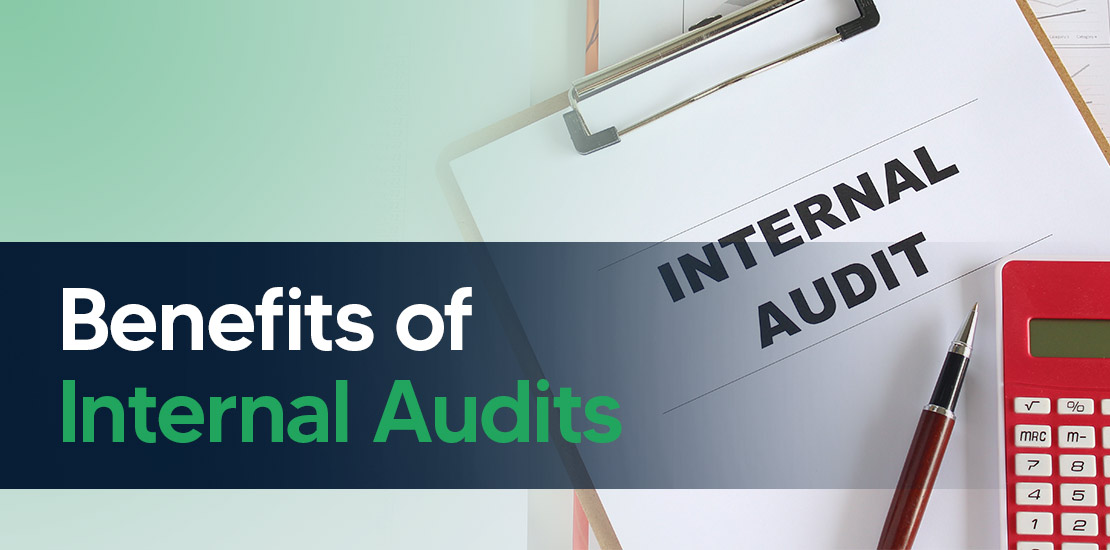
Running a business in today’s business world is about much more than just making sales or keeping accounts updated. Businesses are expected to be transparent, well-managed, and compliant with the law. This is where the internal audit plays a crucial role. Rather than being just a compliance exercise, internal audit helps organisations understand how well their processes, controls, and risk management systems are actually working.
UAE regulatory expectations have grown significantly in recent years. With VAT, Corporate Tax, AML requirements, and other compliance rules in place, authorities now expect businesses to maintain proper records and strong internal controls. It doesn’t matter if you operate in the mainland or a free zone, internal audit has become an important tool to stay compliant, avoid penalties, and build credibility with regulators, banks, and investors.
Strong internal controls are not only important for large corporations. Small and medium-sized businesses, startups, and growing companies in the UAE also enjoy the benefits of internal audits.
What Exactly Is Internal Audit?
An internal audit is a regular review of your business’s activities to make sure everything is running the way it should. It isn’t just about the money; it’s about processes. The auditor looks at how you manage risks, how you handle your paperwork, and whether your staff are following the company’s own rules.
The goal is to answer three questions:
- Are we doing things right?
- Are we following the law?
- Can we do things better or cheaper?
Internal Audit vs. External Audit
Internal Audit:
- Conducted throughout the year or at regular intervals
- Focuses on internal controls, business processes, and risk areas
- Helps improve efficiency, strengthen controls, and ensure ongoing compliance
- Reports are mainly for management and business owners
External Audit:
- Usually conducted once a year
- Focuses mainly on verifying financial statements
- Required for regulatory or statutory purposes
- Reports are shared with authorities, banks, or stakeholders
Who Needs Internal Audit Services in the UAE?
While almost any business can benefit, it is especially critical for:
- Public Joint Stock Companies (PJSCs): UAE-listed companies are legally required to have an internal audit function.
- Regulated Industries: Companies overseen by the UAE Central Bank or the Securities and Commodities Authority (SCA) (like banks and insurance firms).
- SMEs and Family Businesses: To prevent internal leaks (like fraud or inventory loss) and to prepare for the new UAE Corporate Tax.
- Companies in Free Zones: Many free zones (like DIFC or ADGM) have their own strict governance rules that an internal audit helps you meet.
- Retailers in Malls: Large malls in Dubai often require audited sales reports to verify lease agreements.
Key Advantages of Internal Audit in the UAE
For businesses operating in the UAE’s regulated and competitive environment, an internal audit acts as a support system that improves control, reduces risk, and strengthens overall performance. Here are the key advantages:
1. Strengthens Corporate Governance
Internal audit helps management and leadership maintain better oversight of business operations. It ensures roles, responsibilities, and decision-making processes are clearly defined and followed. This improves accountability across departments and supports ethical, well-managed business practices, something regulators and investors in the UAE value highly.
2. Ensures Compliance with UAE Laws & Regulations
The UAE regulatory landscape has changed significantly with VAT, Corporate Tax, and AML (Anti-Money Laundering) laws. An internal audit acts as your early warning system. It checks your records throughout the year so that when the government authorities come knocking, you are already fully compliant and don’t have to worry about heavy fines.
3. Improves Risk Management
Every business faces risks such as, financial, operational, or compliance-related. Internal audit helps identify these risks early, assess their impact, and suggest ways to manage or reduce them. Instead of reacting to problems later, businesses can take proactive steps to protect themselves.
4. Enhances Internal Controls & Processes
Internal audit reviews day-to-day processes to see what’s working and what isn’t. It highlights weak controls, duplicate work, or inefficient systems and recommends improvements. This leads to smoother operations, better use of resources, and stronger internal discipline.
5. Prevents Fraud & Financial Irregularities
Unfortunately, internal fraud can happen in any company. Internal audit creates a strong deterrent. When employees know that a regular, independent review is taking place, the likelihood of shady activity drops significantly. If something is wrong, the audit is designed to catch it early.
6. Supports Business Growth & Scalability
As businesses grow, their systems and controls must grow with them. Internal audit ensures that financial systems, compliance frameworks, and operational processes are strong enough to support expansion, new branches, or increased transaction volumes without creating risks.
7 Builds Trust with Stakeholders
Strong internal audit practices build confidence among investors, banks, regulators, and business partners. It shows that the company is well-managed, transparent, and serious about compliance. This trust can make it easier to secure funding, partnerships, or approvals in the UAE market.
How Often Should Internal Audits Be Conducted in the UAE?
There is no fixed rule in the UAE for how often internal audits must be conducted. The frequency mainly depends on the size of the business, its activities, and the level of risk involved.
For most UAE businesses, an annual internal audit is usually sufficient to review compliance, internal controls, and financial processes. Companies operating in high-risk or highly regulated sectors may need quarterly or half-yearly audits to stay on top of risks and regulations.
Many businesses also follow a risk-based approach, where high-risk areas are audited more frequently than low-risk ones. In short, internal audits should be done regularly and based on business needs, not just as a one-time exercise.
Internal Audit in the UAE: Mainland vs Free Zone Companies
Although mainland and free zone companies in the UAE are regulated by different authorities, both are expected to maintain proper compliance, transparency, and internal controls.
Internal Audit for Mainland Companies:
Mainland companies are licensed by the Department of Economic Development (DED) and fall under the UAE Commercial Companies Law.
- Under Federal Law No. 32 of 2021, almost all mainland LLCs and Joint Stock Companies are required to have their accounts audited annually.
- With the 9% Corporate Tax now in full swing, the Ministry of Economy and the Federal Tax Authority (FTA) expect mainland companies to have strong internal records.
- In the mainland, banks and government departments (for visa quotas) often require audited financial statements as proof of a company’s legitimacy and health.
Internal Audit for Free Zone Companies:
Free Zones (like IFZA, DMCC, JAFZA, or DIFC) operate like mini jurisdictions with their own specific rules.
- Some free zones require an audit report to be submitted every year during license renewal, while others only ask for it if your revenue crosses a certain threshold (e.g., AED 1 million to 5 million).
- Qualifying Free Zone Persons (QFZP): If you want to benefit from the 0% Corporate Tax rate in a Free Zone, you must maintain audited financial statements. Without them, you could lose your tax-exempt status.
- Even if your specific free zone doesn’t force you to submit an audit today, the best practice is to conduct an annual internal audit to ensure you are meeting Economic Substance Regulations (ESR) and AML requirements.
Choose the Right Internal Audit Firm in the UAE
Internal audit is not just about ticking compliance boxes, but it helps improve governance, manage risks better, strengthen internal controls, prevent fraud, and build trust with banks, investors, and authorities. For UAE businesses of all sizes, internal audit brings clarity and control to daily operations.
However, these benefits of internal audits depend a lot on choosing the right internal audit firm in the UAE – one that understands local regulations and real business needs.
At Shuraa Tax, we offer end-to-end internal audit support for both mainland and free zone businesses- including internal audit solutions and deep expertise in UAE VAT, Corporate Tax, and regulatory compliance. Get in touch today, and we’ll ensure your business stays compliant, well-controlled, and ready for sustainable growth.
Commonly Asked Questions
1. Is internal audit mandatory in the UAE?
Internal audit is not mandatory for all businesses, but many companies are expected to have strong internal controls, especially those subject to regulatory, tax, or compliance requirements.
2. What are the main benefits of internal audits for UAE businesses?
The key benefits of internal audits include better compliance, stronger risk management, improved internal controls, and reduced chances of fraud or errors.
3. How is internal audit different from external audit?
Internal audit focuses on improving processes and managing risks within the business, while external audit mainly verifies financial statements for regulatory or statutory purposes.
4. Are free zone companies required to conduct internal audits?
Free zone companies are not always required by law, but internal audits help them follow best practices, meet tax obligations, and maintain proper governance.
5. Do small businesses in the UAE need internal audit services?
Yes, small businesses and startups can benefit from internal audits, especially if they are registered for VAT, Corporate Tax, or planning to scale.